Civilisations that Collapsed

The 3.2k-Year BP Event: Climatic Stress and the End of the Bronze Age

By Nick Nutter | Published: 2024-08-12 | Updated: 2026-07-25

Visited 5,738 times

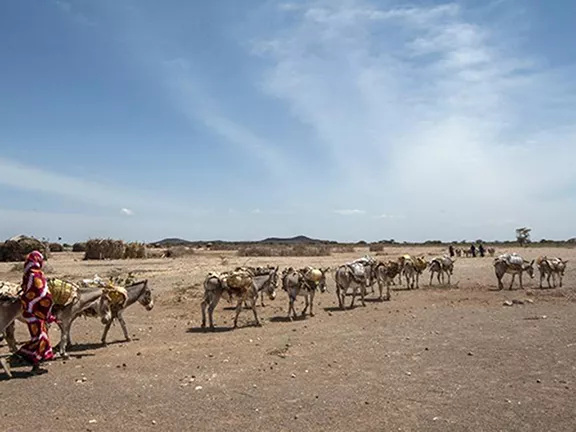
Around 1200 BCE, a centuries-long multi-decadal drought—known scientifically as the 3.2k-year BP climatic event or Late Bronze Age megadrought—disrupted interconnected societies across the Mediterranean and Near East. Palynological, speleothem, and paleolimnological records demonstrate that abrupt environmental stress impacted diverse populations, including the Mycenaeans, Hittites, Egyptians, and Terramare agrarian communities. Rather than acting as a singular apocalyptic cause, this hydrological shift functioned as a severe force multiplier. By compounding pre-existing structural vulnerabilities, trade disruptions, and geopolitical friction, the 3.2k BP event highlights the interconnectivity of ancient Mediterranean cultures and their varying capacity for systemic resilience.

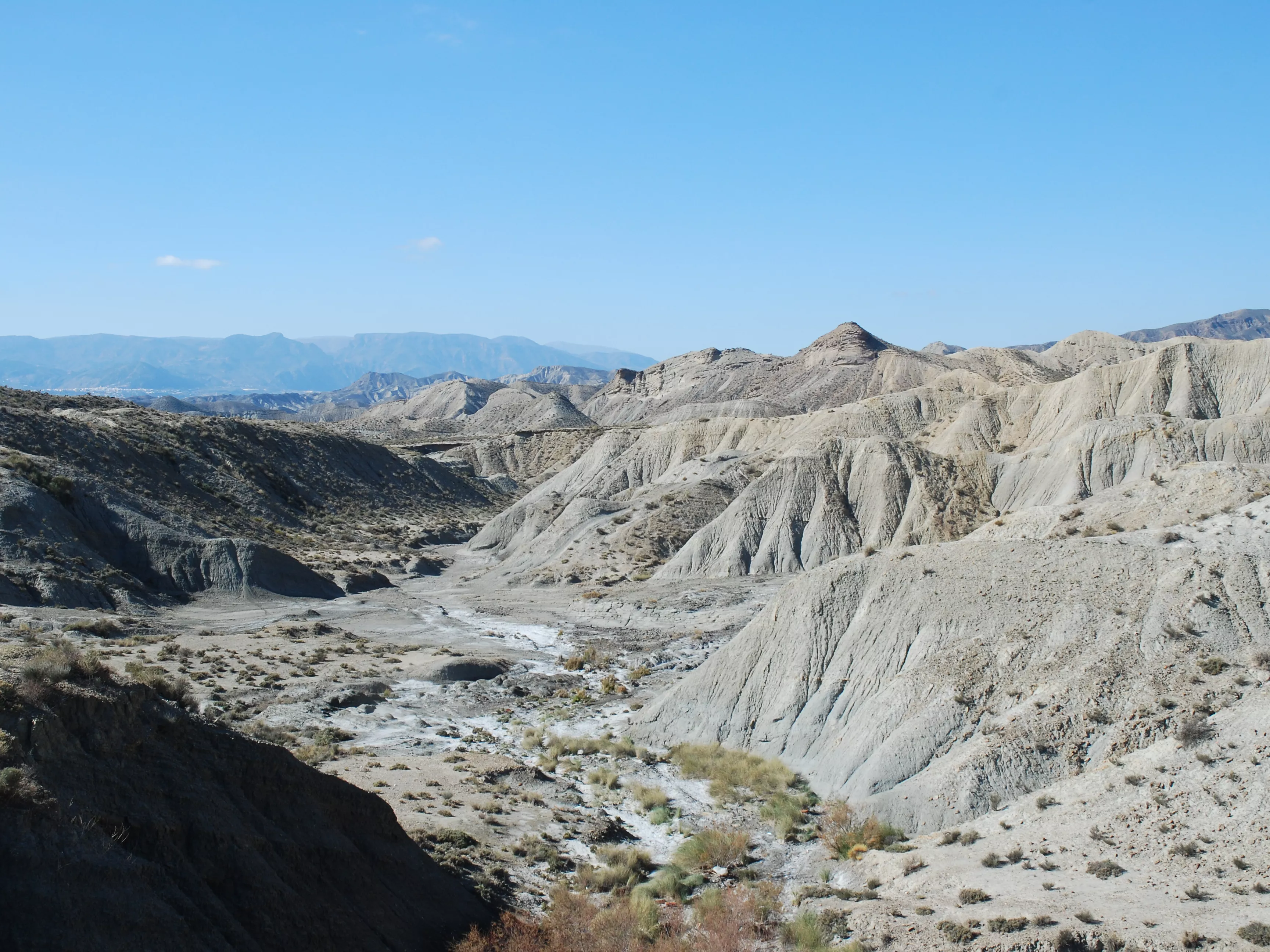
The 3.2k-Year BP Event: Climatic Stress and the End of the Bronze Age - Semi arid zone - Tabernas in Almeria
Semi arid zone - Tabernas in Almeria

The 3.2k-Year BP Event

This article explores the 3.2k-year BP (Before Present) climatic event, a significant period of drought and environmental change around 1200 BCE (Kaniewski et al., 2013; Kaniewski, Guiot & Campo, 2015). We will examine the evidence for this event, its potential causes, and how various ancient civilisations in the Mediterranean and Middle East responded. Our focus is on the human response to this climatic stress, rather than definitively attributing the "Bronze Age Collapse" to this single event (Cline, 2021; Weberg & Finne, 2018).

What Was the 3.2k-Year BP Event?

The 3.2k-year BP event refers to a rapid decline in rainfall across parts of the eastern Mediterranean, lasting for up to 300 years around 1200 BCE (Drake, 2012; Kaniewski et al., 2019). This period caused what some researchers have labelled a "megadrought" in certain regions (Kaniewski, Guiot & Campo, 2015).

Uncovering the Evidence: The 1200 BCE Megadrought

In the past two decades, extensive research has solidified the evidence for a significant climatic event around 1200 BCE (Drake, 2012; Kaniewski et al., 2020).

  • Palynologists (pollen experts) in Syria, Israel, Egypt, and Cyprus have found evidence of widespread environmental stress (Bernhardt et al., 2012; Kaniewski et al., 2015; Kaniewski et al., 2019).
  • Speleologists (those who study cave formations like stalagmites and stalactites) in Greece and Israel have analysed growth rings that indicate changes in precipitation (Drake, 2012; Weberg & Finne, 2018).
  • Paleolimnologists (researchers who reconstruct lake histories from deposits) in Turkey, Syria, and Iran have provided further data supporting a prolonged dry period (Roberts et al., 2016; Weninger et al., 2009).

Collectively, this body of work strongly suggests that the eastern Mediterranean experienced a severe drought around 1200 BCE (Kaniewski, Guiot & Campo, 2015). While some studies initially termed it a "megadrought," further analysis indicates the drought likely lasted between 150 and 300 years (Kaniewski et al., 2013; Kaniewski et al., 2019). Some research suggests it occurred in two phases: an initial drought between 1250 and 1150 BCE, a brief return to normal rainfall for about 50 years, and then another drought from 1100 to 950 BCE (possibly extending to 850 BCE) (Drake, 2012; Kaniewski et al., 2015).

Further supporting the climatic shift, a separate study on sea surface temperatures revealed a sharp increase in atmospheric temperatures in the Northern Hemisphere just before 1225 BCE, followed by a rapid decrease in temperatures and a decline in Mediterranean Sea surface temperatures before 1190 BCE (Drake, 2012; Kaniewski et al., 2014).

Connecting Climate to Collapse: The Bronze Age and the 3.2k Event

The 3.2k-year BP event notably coincides with the collapse of Bronze Age civilisations in the Near East (Cline, 2021; Drake, 2012). Archaeologists first proposed a connection between climate and this societal upheaval in the late 19th century (Weiss, 1982). More recently, renewed interest in climate change has led some to view the 3.2k-year BP event as a primary cause, or at least a significant contributing factor, to the Bronze Age Collapse (Kaniewski, Guiot & Campo, 2015; Weninger et al., 2009).

This article focuses on documenting the human responses to climatic events. We will not attempt to quantify the precise role of the 3.2k-year BP event in the Bronze Age collapse, but rather explore the observable reactions of various societies (Broodbank, 2013; Weberg & Finne, 2018).

What Caused the 3.2k-Year BP Event?

The precise cause of this prolonged drought remains a subject of ongoing scientific debate, with several compelling, and not necessarily mutually exclusive, theories:

  • Volcanic Eruption (Mount Etna): One theory suggests that the volcanic eruption of Mount Etna around 1300 BCE may have triggered the climate change (Drake, 2012).
  • Solar Minimum: Another hypothesis proposes a decline in solar output during this period, leading to a "solar minimum" (Weninger et al., 2009). This would have had global effects, not just regional. Supporting this, research indicates that air pollution—likely from a volcanic eruption (though the specific volcano and exact timing are disputed)—restricted sunlight for about twenty years until 1140 BCE, impacting global tree ring growth and agricultural production (Drake, 2012; Weninger et al., 2009).
  • Bond Event: An increase in ice-rafted debris in the North Atlantic, penetrating further south and west than usual, could have caused a decline in ocean surface temperatures and reduced precipitation (Bond et al., 1997). This sequence of events, known as a Bond Event, occurs roughly every 1,500 years (Bond et al., 1997; Weninger et al., 2009).
  • Rapid Climate Changes (RCCs): These events, occurring approximately every 1,450 years, involve frigid Arctic air moving into the Aegean region (Weninger et al., 2009). This can cause a 2-3 degree Celsius drop in sea surface temperatures in the southeastern Aegean, leading to arid conditions. One such event is identified between 1100 and 900 BCE (Kaniewski et al., 2014; Weninger et al., 2009).

Written Accounts of Drought and Famine

Fortunately, many Bronze Age civilisations in the Near East produced written records and corresponded with each other (Cline, 2021). Numerous tablets and inscriptions discovered in the Levant, Anatolia, Mesopotamia, and Egypt offer direct evidence of drought-induced famine (Cline, 2021; Kaniewski, Guiot & Campo, 2015).

  • Hittite Empire: Between 1279 and 1213 BCE, Hittite Queen Puduhepa wrote to Egyptian Pharaoh Ramesses II, stating, "I have no grains in my lands" (Cline, 2021). This led to a trade embassy seeking barley and wheat from Egypt. Later, between 1213 and 1203 BCE, Pharaoh Merneptah recorded sending grain by ship "to keep alive this land of Hatti," an early example of famine relief (Cline, 2021). A letter from the Hittite king to the king of Ugarit in the 13th century BCE dramatically inquires about a shipment of 2,000 units of grain (up to 450 tons), ending with "It is a matter of life or death" (Cline, 2021; Kaniewski, Guiot & Campo, 2015).
  • Ugarit and Emar: Just before its destruction in 1185 BCE, a letter from Emar in Syria to Ugarit pleaded, "There is famine in our house, we will all die of hunger. If you do not quickly arrive here, we ourselves will die of hunger" (Cline, 2021). Even Ugarit suffered, as Pharaoh Merneptah's reply to the king of Ugarit confirms: "So you had written to me, in the land of Ugarit there is severe hunger. May my lord save the land of Ugarit and may the king give grain to save my life and to save the citizens of the land of Ugarit" (Cline, 2021; Kaniewski et al., 2019).
  • Egypt: Food rationing was implemented in the final years of Ramesses III's reign (1184-1155 BCE), a period that also saw the world's first recorded labour strike due to the unavailability of food rations for royal tomb-builders and artisans at Deir el Medina (Cline, 2021). This raises questions about the fate of the lower classes during this stressful time (Bernhardt et al., 2012; Cline, 2021).

These written accounts provide powerful direct evidence of the widespread impact of drought and food shortages across the eastern Mediterranean during the period of the 3.2k-year BP event (Cline, 2021; Kaniewski et al., 2020).

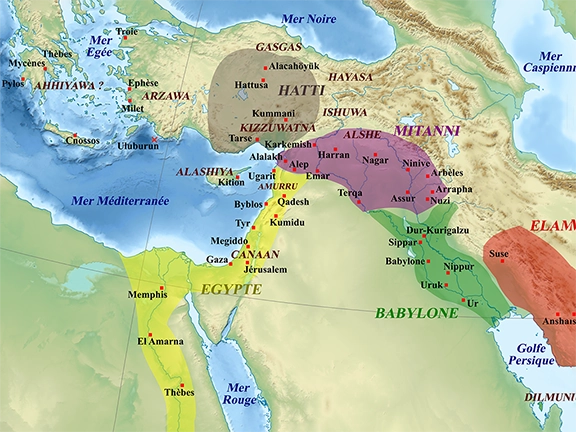
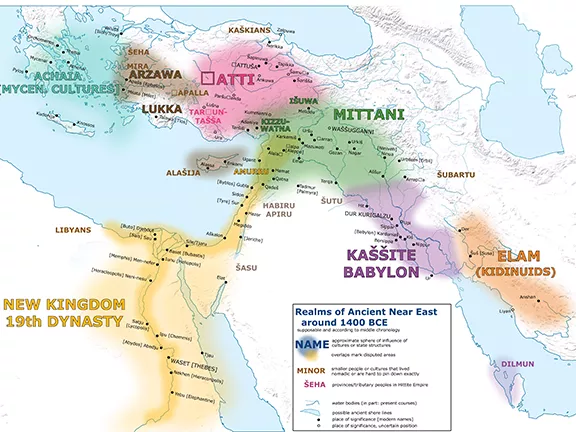
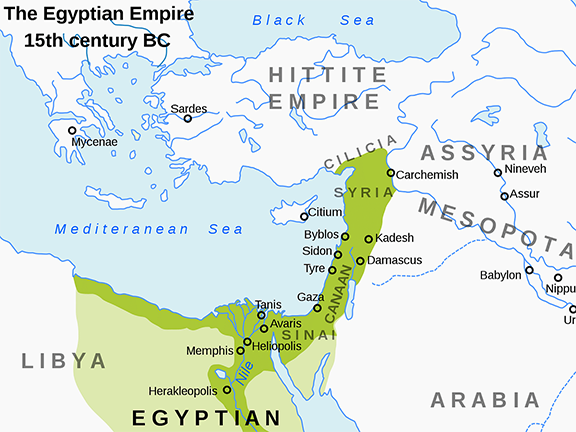
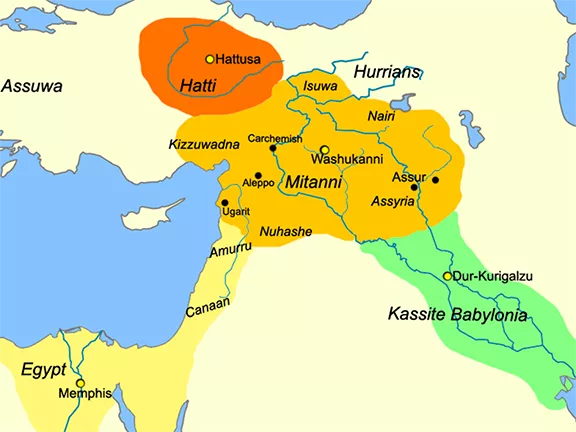
The Ancient Near East and Mediterranean circa 1300 BCE

The period between the 4.2k-year BP event (around 2200 BCE) and 1300 BCE saw a remarkable recovery and flourishing of societies in the ancient Near East (Broodbank, 2013; Weninger et al., 2009). By 1300 BCE, the region had coalesced into six major powers: the Mycenaean Civilization, the Hittite Empire, the Middle Assyrian Kingdom, the Middle Babylonian Kingdom, the Middle Elamite Kingdom, and the Egyptian New Kingdom (Cline, 2021). This was a dynamic era, with empires vying for territory. Societies in Spain, France, Italy, and the major Mediterranean islands also evolved significantly during this time (Broodbank, 2013).

Advancements from previous periods, such as the chariot (circa 2000 BCE), glass manufacturing in Egypt (circa 1500 BCE), and the seed drill in Mesopotamia (circa 1500 BCE), contributed to this rapid recovery (Broodbank, 2013; Cline, 2021). Mycenaean Greece also saw the invention of concrete after 1400 BCE (Broodbank, 2013).

Let us examine how various civilisations in these regions fared during the 3.2k-year BP event.

The Mycenaean Civilization (Southern Greece, Aegean Islands, Crete)

By 1300 BCE, the Mycenaean civilisation encompassed southern Greece, the southern Aegean islands, Crete, and a small part of southwestern Anatolia (Broodbank, 2013; Cline, 2021). This region experienced significant disruption around 1200 BCE (Drake, 2012; Weberg & Finne, 2018).

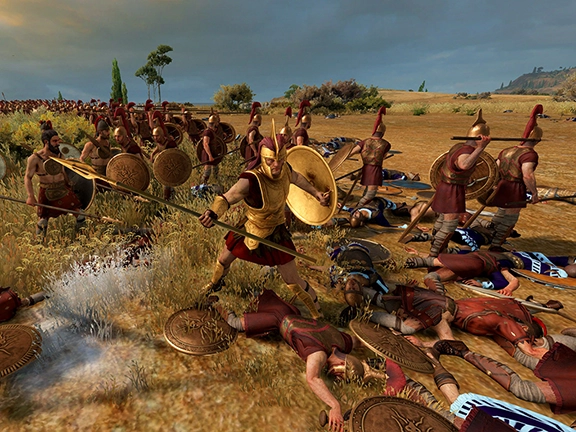
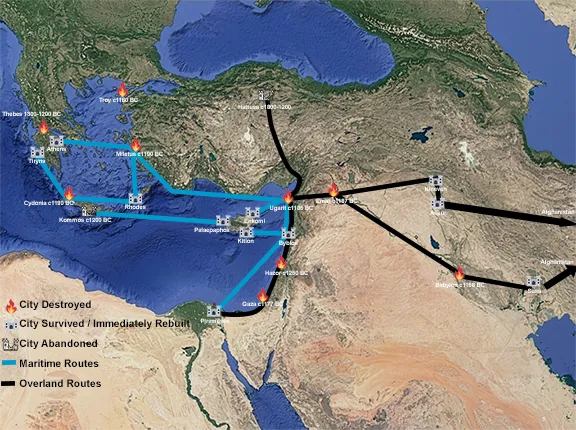
  • Mainland Greece: Thebes was burned around 1250 BCE, potentially leading to an attack on Gla and the abandonment of Orchomenos (Cline, 2021). Mycenae itself was attacked, prompting the construction of defensive "Cyclopean Walls" at Athens, Tiryns, Midea, and Mycenae (Cline, 2021). A second wave of destruction around 1190 BCE marked the end of the Mycenaean civilization at Mycenae (Cline, 2021; Drake, 2012). Up to 50% of the population migrated to Cyprus and the Levantine coast (Broodbank, 2013; Cline, 2021). While some areas like Athens were never destroyed, and Tiryns even expanded in the 11th century BCE, most of the former Mycenaean territory saw populations disperse into scattered thatched houses (Cline, 2021; Weberg & Finne, 2018).
  • Crete: Minoan palaces like Malia, Phaestos, and Zakros were destroyed around 1450 BCE, leaving Knossos as the sole surviving palace (Broodbank, 2013; Cline, 2021). The Mycenaeans then imposed their administration. Knossos palace was destroyed around 1350 BCE, though the town continued to be occupied and even saw a resurgence after 1200 BCE (Broodbank, 2013; Cline, 2021).

It is important to note that the fall of the Minoan and Mycenaean civilisations appears to be largely driven by human actions and internal conflicts, with little direct evidence linking it to climate fluctuations or palatial overexploitation of the landscape (Cline, 2021; Weberg & Finne, 2018).

The Hittite Empire (Anatolia, Northern Levant, Cyprus)

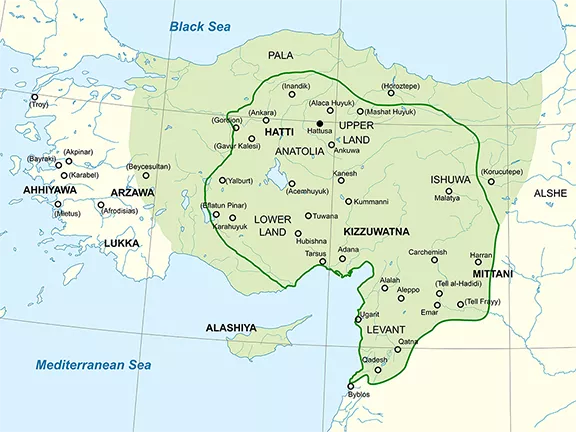
The Hittite Empire, with its vassal cities, controlled Anatolia, western Syria, the northern Levantine coast, and Cyprus (Broodbank, 2013; Cline, 2021). They were in constant conflict with the Middle Assyrian Empire for territory in the northern Levant (Cline, 2021).

  • Anatolia: The Hittite Empire disintegrated, with its capital Hattusa falling in 1190 BCE to the Kaskas tribe from northern Anatolia (Cline, 2021). Other Anatolian cities like Karaoglan, Alaca Hoyuk, Alishar, Masat Hoyuk, Mersin, and Tarsus were also destroyed around this time (Cline, 2021).
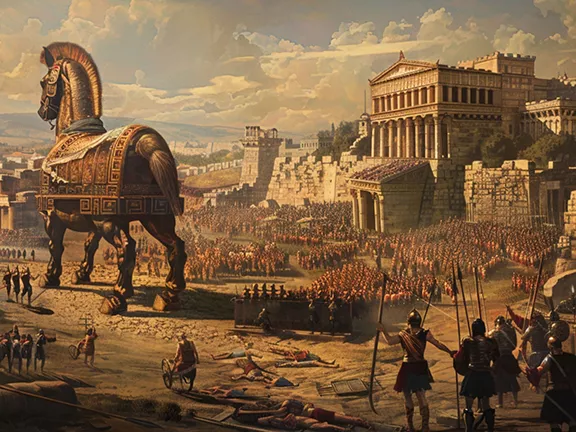
  • Troy: The legendary city of Troy (Walusa) in northwestern Anatolia experienced multiple destruction layers throughout its history (Cline, 2021). A destruction layer dated to 1180 BCE shows evidence of an attack, making it a likely inspiration for the Trojan War narratives (Cline, 2021).
  • Northern Levant and Cyprus: Cities along the northern Levantine coast, including Ugarit (around 1182 BCE), experienced destruction around 1200 BCE (Cline, 2021; Kaniewski et al., 2019). Similarly, Cypriot cities saw destruction (Cline, 2021; Kaniewski, Guiot & Campo, 2015). While these events coincided with the 3.2k-year BP event, direct causation by climatic change is not clear, and many destroyed cities recovered relatively quickly (Cline, 2021; Kaniewski et al., 2019).

The Hittite Empire fragmented into independent city-states, eventually absorbed by the expanding Middle Assyrian Empire (Cline, 2021). The extent to which climatic events contributed to this disintegration is debated (Cline, 2021; Kaniewski, Guiot & Campo, 2015). However, the previously mentioned Hittite pleas for grain to alleviate famine (1279-1203 BCE) suggest that prolonged famine could have caused social unrest and weakened the central monarchy, potentially allowing groups like the Kaskas to expand (Cline, 2021; Kaniewski et al., 2020).

The Middle Assyrian Empire (Northern Iraq, Northeastern Syria)

The Middle Assyrian Empire, centred in northern Iraq, expanded into northern Syria in the late 13th and early 12th centuries BCE, even making Babylonia a vassal state (Cline, 2021).

Despite the widespread disruptions, the Middle Assyrian Empire appears largely untouched by the 3.2k-year BP event (Cline, 2021). While the 12th century BCE saw some instability with weak reigns and local rebellions, leading to the loss of some conquered territories, there is no evidence of major destructions in their main cities (Cline, 2021).

The Middle Babylonian Period (Iraq, Syria, Western Iran)

The Middle Babylonian territory spanned the Euphrates and Tigris rivers, encompassing eastern Iraq, parts of Syria, and western Iran (Cline, 2021). During the late 13th and early 12th centuries BCE, Babylon was ruled by the Kassites (Cline, 2021).

In 1158 BCE, the Elamites, led by Shutruk-Nahhunte, invaded and destroyed Babylon, claiming the Kassite throne (Cline, 2021). There is no evidence suggesting that climatic factors motivated these actions (Cline, 2021).

The Egyptian New Kingdom (Nile Delta, Nile Valley, Southern Levant)

The Egyptian New Kingdom (1550-1069 BCE), Egypt's third "Golden Age," reached its peak power during this period (Cline, 2021). However, after the death of Ramesses II in 1213 BCE, it entered a period of decline marked by foreign invasions and ineffective pharaohs (Cline, 2021; Finkelstein et al., 2017).

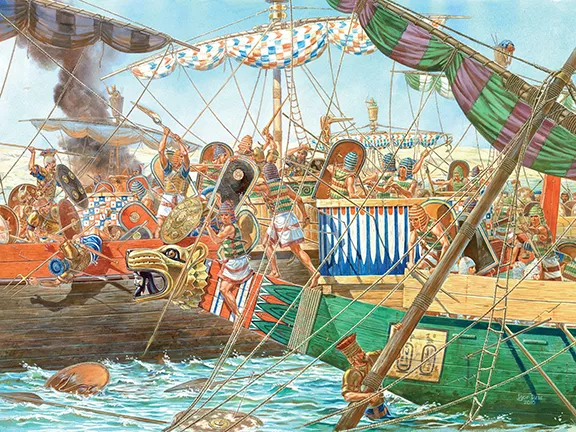
Ramesses III briefly restored prestige by defeating the "Sea People" and defending against Libyan incursions (Cline, 2021). Yet, upon his death in 1155 BCE, bickering heirs oversaw the empire's fragmentation into the divided Egypt of the Third Intermediate Period (Bernhardt et al., 2012; Cline, 2021). While Egypt's control of the southern Levant waned during the 12th century BCE, with outposts and temples being lost, these destructions are attributed more to Hittite expansion than direct climatic events (Cline, 2021; Finkelstein et al., 2017).

Iberian Peninsula (Southwest Iberia)

The El Argar society in southwest Iberia emerged after the disappearance of the Los Millares society around 2200 BCE (Broodbank, 2013). This hierarchical society, centred on the border of Murcia and Almeria, controlled grain and metal distribution from unfortified settlements that often included cisterns—a clear response to increasing aridity (Broodbank, 2013). Their diet was primarily barley, a crop that requires less water than wheat, with lower classes showing signs of malnutrition (Broodbank, 2013). The El Argar society vanishes from the archaeological record around 1500 BCE (Broodbank, 2013).

Similarly, the Motilla settlements in La Mancha and the large enclosure at Valentina de la Concepcion fell into disuse around this time, as did megalithic dolmens in Huelva and Granada (Broodbank, 2013). The dispersal of populations from nucleated settlements suggests shortages and a breakdown of central control, possibly due to increased aridification (Broodbank, 2013). However, these events predate the 3.2k-year BP event by three hundred years, likely reflecting a gradual increase in aridity due to the continued southerly drift of the tropical rain belt (Broodbank, 2013; Weninger et al., 2009).

Southern France (Mediterranean Coast)

Populations along the Mediterranean coast of France appear to have been largely unaffected by the climatic events discussed (Broodbank, 2013). Their subsistence combined farming and hunting (Broodbank, 2013). The fortified settlement of Camp de Laure near the Rhone river mouth, established around 1650 BCE, and nearby scattered farmsteads, show no discernible changes and survived beyond 1200 BCE (Broodbank, 2013).

Corsica and Sardinia

  • Sardinia: Around 1800 BCE, the construction of large stone towers called nuraghi began, with their numbers and size increasing exponentially for 200 years (Broodbank, 2013). Over 8,000 such towers, up to twenty meters tall, sprang up across the island (Broodbank, 2013). Megalithic burial mounds evolved into elongated "Giants Tombs" with ceremonial forecourts (Broodbank, 2013). Nuraghi construction ceased around 1150 BCE, with some being dismantled (Broodbank, 2013). Collective burials in Giants Tombs also ended, replaced by individual tombs (Broodbank, 2013). Some scholars suggest the emergence of village-level "parliaments" during this time (Broodbank, 2013).
  • Corsica: Around 1800 BCE, Bronze Age communities on Corsica began building smaller towers called torri, giving the name to the Torrean culture (Broodbank, 2013). This culture seamlessly evolved from the previous megalithic culture (Broodbank, 2013).

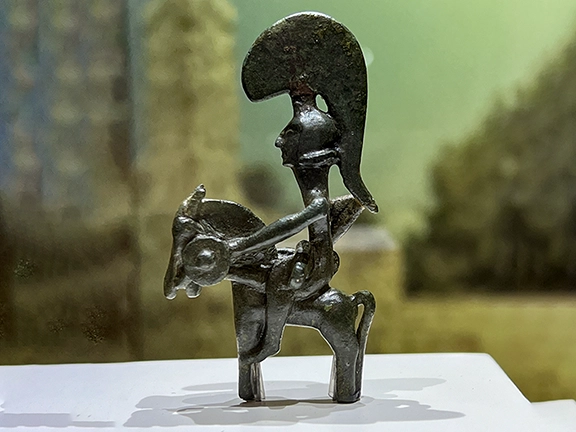
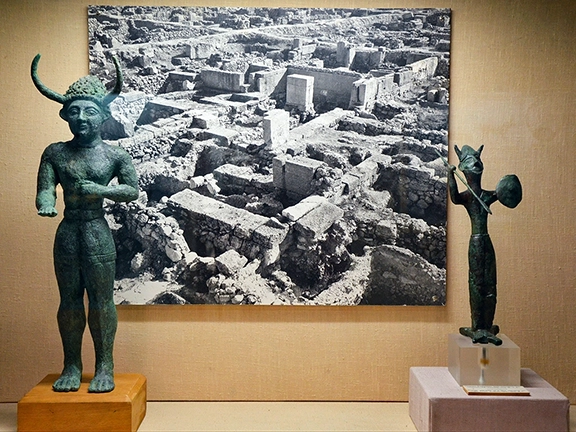
After 1150 BCE, a new warrior society emerged on both islands, depicted in statue menhirs with horned helmets, round shields, and Mycenaean-style daggers (Broodbank, 2013; Cline, 2021). This suggests increasing instability and conflict in the eastern Mediterranean, rather than direct climatic impact, as a primary driver of these changes (Broodbank, 2013).

Apennine Peninsula (Northern Italy)

In northern Italy, the Terramare culture developed on the Po delta and plain after 1700 BCE (Broodbank, 2013). This area, previously marshland, became fertile due to increasing regional aridity (Broodbank, 2013). The Terramares were hunters, pastoralists, and agriculturists, cultivating beans, grapes, wheat, and flax (Broodbank, 2013). They lived in sixty small, quadrangular villages, each surrounded by an earth bank and moat (Broodbank, 2013).

Archaeological evidence suggests a population boom to around 200,000, a number that became unsustainable after a series of droughts between 1300 and 1200 BCE (Broodbank, 2013). Evidence of social unrest, internal disputes, and raiding (skeletons with axe wounds, swords, and arrowheads in abandoned villages) could have been exacerbated by a final drought around 1200 BCE (Broodbank, 2013). By 1150 BCE, all villages were abandoned, and the population dispersed to southern Italy, Sicily, and the Aegean (Broodbank, 2013).

The 3.2k-Year BP Event – A Contributory Factor, Not the Sole Cause

While the 3.2k-year BP event represents a significant climatic shift, attributing the rise and fall of these diverse civilisations solely to this event is overly simplistic (Cline, 2021; Kaniewski, Guiot & Campo, 2015; Weberg & Finne, 2018).

  • Central Levantine Coast: Major sites like Sidon, Tyre, Arwad, and Byblos show no discontinuity of occupation between the 13th and 11th centuries BCE, indicating a negligible impact from the 3.2k-year BP event (Cline, 2021; Kaniewski et al., 2015).
  • Mycenaean World: While some population dispersal occurred, it's unclear whether this was primarily due to climate change, drought, or other human factors like conflict (Cline, 2021; Weberg & Finne, 2018).
  • Egypt and the Southern Levant: Egypt's waning control of the southern Levant in the 12th century BCE is more attributable to Hittite expansion than direct climatic events (Cline, 2021; Finkelstein et al., 2017).
  • Middle Assyrian Kingdom: This empire largely expanded during the drought period, only losing territory towards its end, suggesting it was not critically impacted (Cline, 2021).
  • Hittite Empire: The pleading letters about drought do suggest the 3.2k-year BP event was a contributing factor to its downfall (Cline, 2021; Kaniewski, Guiot & Campo, 2015). However, the Hittites also faced numerous external competitors, and the empire's disintegration was multifaceted (Cline, 2021).
  • Apennine Peninsula: Only here do we find strong evidence of violence and total dispersal directly linked to the 3.2k-year BP event, with the collapse of the Terramare culture (Broodbank, 2013).
  • Corsica and Sardinia: The shift to a warrior society after 1150 BCE, marked by changes in building practices and burial customs, suggests a reaction to increasing instability in the eastern Mediterranean, not necessarily a reaction to climatic change (Broodbank, 2013; Cline, 2021).

The 3.2k-year BP event was a significant "glitch" in Mediterranean weather patterns, but it followed a millennium of increasing aridity and periodic droughts since the 4.2k-year BP event (Kaniewski et al., 2020; Weninger et al., 2009). This can be seen as part of normal Mediterranean weather behaviour, with fluctuating precipitation patterns (Kaniewski et al., 2015; Weberg & Finne, 2018). Throughout this thousand-year period, civilisations had learned to cope with periodic droughts (Weberg & Finne, 2018).

The 3.2k-year BP event should be viewed as a contributory factor to the broader Bronze Age collapse, rather than its sole or apocalyptic cause (Cline, 2021; Kaniewski, Guiot & Campo, 2015). It likely intensified existing stresses and vulnerabilities within these complex societies, playing a role in their ultimate fate (Cline, 2021; Drake, 2012). Subsequent articles will delve deeper into the multifaceted reasons behind the general collapse of Bronze Age civilisations.

References and Further Reading

  • Bernhardt, C.E., Horton, B.P., and Stanley, J.D. (2012). Nile delta Vegetation Response to Holocene Climate Variability. Geology, 40(7): 615–618.
  • Bond, G., et al. (1997). A Pervasive Millennial Scale Cycle in North Atlantic Holocene and Glacial Climates. Science, 278: 125–166.
  • Broodbank, C. (2013). The Making of the Middle Sea. Thames & Hudson Ltd.
  • Cline, E.H. (2021). 1177 B.C.: The Year Civilization Collapsed. Princeton University Press.
  • Drake, B.L. (2012). The Influence of Climatic Change on the Late Bronze Age Collapse and the Greek Dark Ages. Journal of Archaeological Science, 39: 1862–1870.
  • Finkelstein, I., Arie, E., Martin, M.A.S., and Piasettzky, E. (2017). New Evidence on the Late Bronze/Iron 1 Transition at Megiddo: Implications for the End of the Egyptian Rule and the Appearance of Philistine Pottery. Egypt and the Levant, 27: 249–259.
  • Kaniewski, D., Luterbacher, J., Piotrowska, N., Rajchel, J., Sobolewski, P., Slonoswski, M., Terzolas, B., and Trifonova, E. (2013). Environmental reconstruction for the medieval Balkans using multiple proxies. Climate of the Past, 9(6): 2481–2492.
  • Kaniewski, D., Van Campo, E., Le Goff, H., Ghaleb, D., and Marriner, N. (2014). Sea-level rise, coastal change and early human settlements in the Mediterranean basin. The Holocene, 24(2): 200–216.
  • Kaniewski, D., Djamali, M., Pessart, A., Brahim, A., El Faiz, M., and Guiot, J. (2015). Holocene climate variability in the eastern Mediterranean (Lebanon): reconstruction and regional context. Quaternary Science Reviews, 120: 10–22.
  • Kaniewski, D., Guiot, J., and Van Campo, E. (2015). Drought and societal collapse 3200 years ago in the Eastern Mediterranean: A review. WIRES Climate Change, 6(4): 369–382.
  • Kaniewski, D., Van Campo, E., BouDaoud, A., Guiot, J., Ghaleb, D., and Marriner, N. (2019). High-resolution Bronze Age palaeoenvironmental change in the Eastern Mediterranean: exploring the links between climate and societies. Quaternary Science Reviews, 219: 255–272.
  • Kaniewski, D., Marriner, N., Cheddadi, R., Fischer, P.M., Otto, T., Luce, F., and Van Campo, E. (2020). Climate Change and Social Unrest: A 6000-Year Chronicle From the Eastern Mediterranean. Geophysical Research Letters, 47(23).
  • Macklin, M.G., et al. (2015). A New Model of River Dynamics, Hydroclimatic Change and Humans Settlement In the Nile Valley Derived from Meta-Analysis of the Holocene Fluvial Archive. Quaternary Science Reviews, 130: 109–123.
  • Roberts, N., et al. (2016). A Tale of Two Lakes: A Multi Proxy Comparison of Late Glacial and Holocene Environmental Change in Cappadocia, Turkey. Journal of Quaternary Science, 31(4): 348–362.
  • Weberg, E. and Finne, M. (2018). Resilience and Persistence of Ancient Societies in the Face of Climate Change: A Case Study from Late Bronze Age Peloponnese. World Archaeology, 50(4): 584–602.
  • Weiss, B. (1982). The Decline of Late Bronze Civilization as a Possible Response to Climate Change. Climatic Change, 4: 173–178.
  • Weninger, B., et al. (2009). The Impact of Rapid Climate Change on Prehistoric Societies During the Holocene in the Eastern Mediterranean. Documenta Praehistorica, 36: 7–59.

Image Credits

Image 1: The Ancient Near East c 1300 BC. A map illustrating the changing balance of power in the Ancient Near East in the 13th century BCE resulting from the expansion of the Hittite and Assyrian empires and the collapse of the Mittani kingdom. Uploaded by Simeon Netchev, published on 15 November 2021.

Enjoyed this history article?

Join our growing community of history enthusiasts, researchers, and discerning travellers receiving regular Mediterranean dispatches directly to their inbox.

Legacy Reloaded: A dev, an AI, and the relentless pursuit of 100

Enjoying this clean, uncluttered read?

You are currently browsing the result of a massive technical overhaul. My new book, Legacy Reloaded: A dev, an AI, and the relentless pursuit of 100, chronicles the journey of transforming an aging legacy website into a modern, lightning-fast platform that hits the perfect 90+, 100, 100, 100, 3/3 Lighthouse metrics. It’s a story of collaboration between developer and AI, and the stubborn pursuit of technical perfection.

Read the Story

You have finished reading chapter 9

More articles in the Civilisations that Collapsed series: